gesha
Las Brisas Natural Gesha
This Gesha showcases syrupy sweetness balanced by pink fruit acidity, lengthened by chocolate notes on the finish.
Colombia’s reputation for washed Gesha is closely tied to how coffee is grown and handled across the country. Small farms, frequent rainfall and high humidity shape everyday decisions at harvest. Washing coffee shortly after picking allows producers to move quickly and safely, limiting the time cherries spend exposed to unpredictable weather. For Gesha, a variety prized for its elegence, this method has become the established norm.
Natural processing asks something different of both producer and place. It requires long, steady drying and careful oversight, conditions that are harder to guarantee in regions like Huila. As a result, naturally processed Geshas remain uncommon, not through lack of interest, but because the margins for error are narrow.
At Finca Las Brisas in Acevedo, Lisandro Cardenas has chosen to work against that current. A second-generation producer, Lisandro harvests only fully ripe cherries and dries them whole in parabolic dryers, using covered structures to protect the fruit while extending drying time and managing airflow with precision. This infrastructure makes a natural process viable where it might otherwise be impractical.
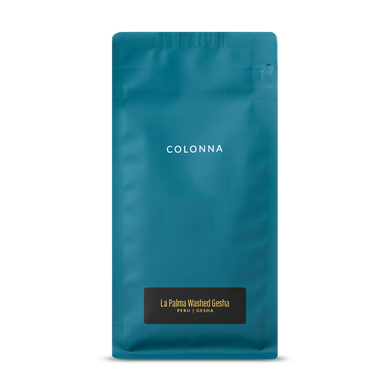
This Gesha showcases syrupy sweetness balanced by pink fruit acidity, lengthened by chocolate notes on the finish.
Colombia’s reputation for washed Gesha is closely tied to how coffee is grown and handled across the country. Small farms, frequent rainfall and high humidity shape everyday decisions at harvest. Washing coffee shortly after picking allows producers to move quickly and safely, limiting the time cherries spend exposed to unpredictable weather. For Gesha, a variety prized for its elegence, this method has become the established norm.
Natural processing asks something different of both producer and place. It requires long, steady drying and careful oversight, conditions that are harder to guarantee in regions like Huila. As a result, naturally processed Geshas remain uncommon, not through lack of interest, but because the margins for error are narrow.
At Finca Las Brisas in Acevedo, Lisandro Cardenas has chosen to work against that current. A second-generation producer, Lisandro harvests only fully ripe cherries and dries them whole in parabolic dryers, using covered structures to protect the fruit while extending drying time and managing airflow with precision. This infrastructure makes a natural process viable where it might otherwise be impractical.